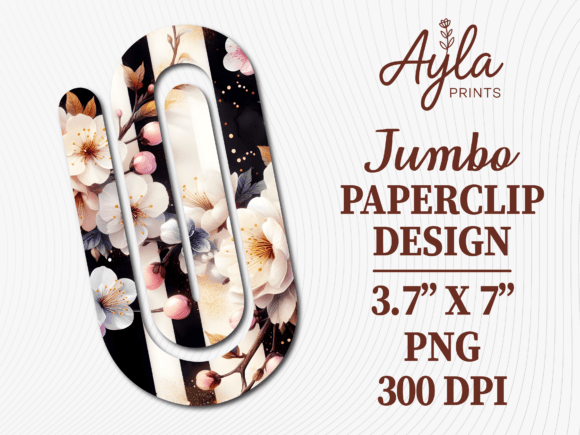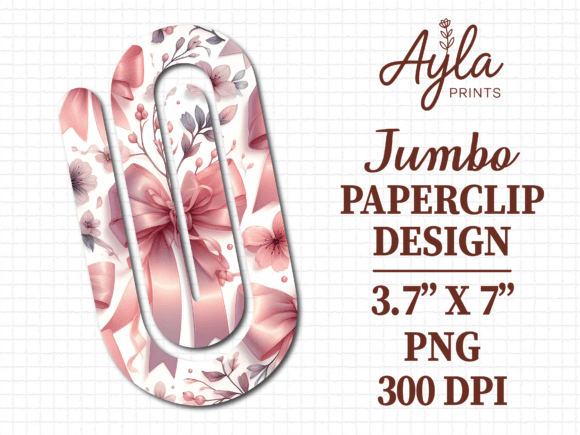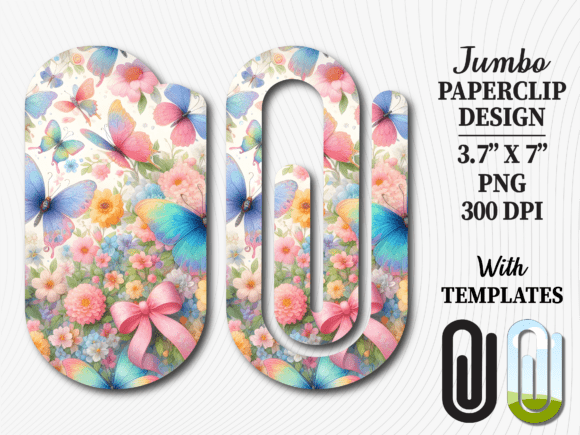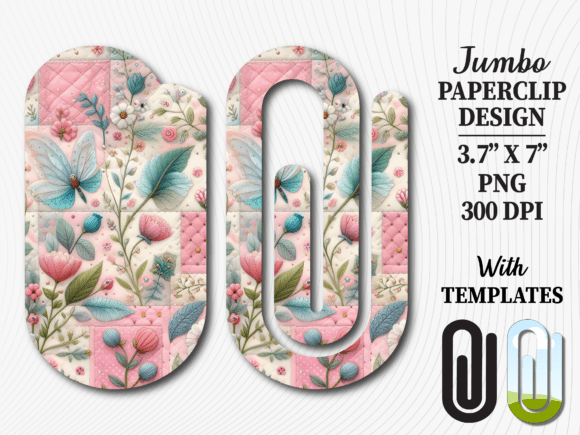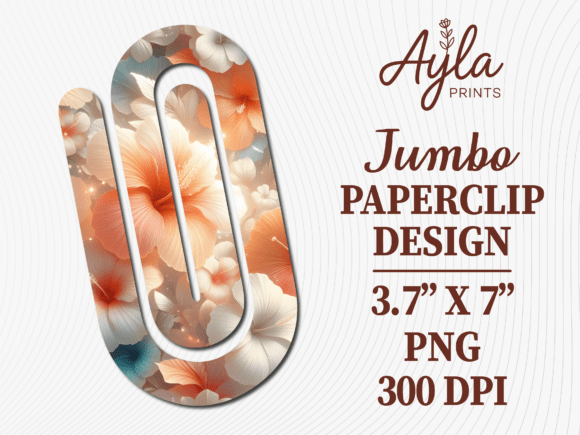
Orange Floral Abstract Jumbo Paperclip
As a designer who spends half my life staring at stitch charts and the other half trying to explain to clients why their logo won’t work on a baseball cap, I approach every new digital asset with a healthy dose of skepticism. The market is flooded with generic clip art disguised as embroidery files. That is why when I stumbled upon the Orange Floral Abstract Jumbo Paperclip, I decided to put it through its paces before recommending it to my network of small business owners and crafters.
This isn’t just another decorative element; it is a specific aesthetic choice that bridges the gap between whimsical and professional. Available as a digital download containing three PNGs, this design offers a unique visual hook for anyone looking to elevate their handmade merchandise. Let’s break down exactly how this machine embroidery design performs in the real world, from the hoop to the final product.
First Impressions: Mood and Visual Personality
The moment you open the file preview, the mood is distinct. It is not aggressive, nor is it overly delicate. The "jumbo" aspect of the paperclip shape provides a strong structural anchor, while the abstract floral elements introduce organic softness. In design theory, we talk about contrast—hard lines versus soft curves. This embroidery project nails that balance.
The orange tones are vibrant but grounded, suggesting warmth and creativity without screaming for attention. For an Etsy seller or a boutique owner, this is crucial. You want your products to stand out in a crowded feed, but you also want them to feel timeless rather than trendy. This design feels like a staple. It has the personality of a creative studio’s branding but the versatility of a general-purpose accent. It immediately signals to the buyer that the maker cares about detail and aesthetics.
Real-World Application: Where Does It Fit?
I took this concept into several hypothetical production scenarios to see where it truly shines. The approximate size of 3.7×7 inches is a significant factor here. It is large enough to make a statement but compact enough to fit comfortably on most standard garment placements.
Custom Apparel and Sweatshirts: Imagine a cream-colored crewneck sweatshirt. Placing this design centered on the chest or slightly off-center on the left side creates an instant streetwear vibe. The abstract flowers add a touch of femininity that appeals to a broad demographic, while the paperclip motif adds a quirky, intellectual edge. It works exceptionally well as a sweatshirt embroidery piece because the fabric weight can support the stitch density required for the floral details.
Tote Bags and Canvas Goods: A canvas tote bag is perhaps the most practical application. This serves as a perfect tote bag design for book lovers, artists, or office workers. The juxtaposition of a mundane office supply (the paperclip) reimagined as high art fits perfectly with the utilitarian nature of a tote. When stitched onto natural cotton canvas, the orange threads pop beautifully against the neutral background.
Baby Items and Nursery Decor: Do not overlook the potential here. While the theme might seem corporate, the abstract nature of the flowers makes it suitable for modern nursery decor. On a baby onesie or a burp cloth, it reads as playful and artistic. It avoids the cliché of traditional baby animals or childish cartoons, appealing to parents who prefer minimalist or contemporary aesthetics for their baby embroidery projects.
Technical Performance and Stitching Considerations
From a technical standpoint, executing this design requires a bit of forethought. The combination of a solid outline (the paperclip) and detailed fill areas (the flowers) means you need to pay close attention to stitch density.
If you are using a basic home machine, ensure your tension is calibrated correctly. The satin stitches forming the paperclip must be smooth to avoid puckering, especially if you are working on thinner fabrics. For the floral sections, which likely utilize a mix of fill stitch and perhaps some running stitch for texture, you will want to use a cut-away stabilizer for garments to prevent distortion during washing. If you are stitching this onto a stable item like a tea towel or pillow cover, a tear-away stabilizer might suffice, but always test first.
One critical note regarding thread colors: The success of this design hinges on contrast. On dark fabrics, you will need a high-density underlay or a contrasting base color to ensure the orange doesn’t get lost in the weave. Conversely, on light fabrics, the vibrancy of the orange will be fully realized, making it an excellent choice for holiday embroidery gifts or spring-themed collections.
Where to Use It Carefully
Not every surface is created equal, and this graphics asset is no exception. There are specific scenarios where this design might struggle:
- Small Hoop Sizes: At nearly four inches wide, this design may not fit comfortably in very small hoops intended for tiny patches or miniature accessories. Ensure your hoop size accommodates the 3.7-inch width with room for error.
- Textured or Stretchy Fabrics: Avoid placing this on highly textured fabrics like heavy chenille or loose-knit sweaters. The intricate floral details may become muddy or distorted. Similarly, stretchy fabrics like spandex blends require rigorous stabilization to maintain the crispness of the paperclip shape.
- Curved Surfaces: While possible, stitching this on a curved surface like a baseball cap can be challenging. The flat, graphic nature of the paperclip might look warped if the curvature is too pronounced. It is better suited for flat panels.
- Dense Stitch Areas: If you plan to add text around this design, be mindful of the space. The floral elements have visual weight, so adding too much nearby can clutter the finished product.
Impact on Brand Value and Customer Trust
For the craft business owner, the quality of your design directly impacts perceived value. A sloppy execution of a complex design can make a brand look amateurish. However, a clean, well-executed Orange Floral Abstract Jumbo Paperclip elevates the entire product line. It suggests that the maker has selected assets with intentionality.
When customers see a unique, abstract design that isn’t the same generic flower they’ve seen on every other shop, it builds trust. It signals that the product is curated. This is particularly important for personalized gift items, where uniqueness is a primary selling point. Whether you are selling commercial embroidery services or listing digital assets for other designers, having access to distinctive graphics like this gives you a competitive edge.
Practical Designer Notes Before You Stitch
Before you commit to a full production run, follow these steps to ensure success:
- Test on Scrap Fabric: Always stitch a sample on the exact fabric type you plan to sell. Check for puckering, thread breaks, and color accuracy.
- Review Stitch Density: Zoom in on the digital file. Are there any overlapping stitches that might cause needle strikes? Adjust the density in your embroidery software if necessary.
- Check Licensing: Confirm whether the digital download allows for commercial use of finished goods. This is vital for small shop products intended for resale.
- Mockup Testing: Create black and white mockups to check the contrast and layout. Sometimes, color can distract from compositional issues.
- Stabilizer Choice: Match your stabilizer to the fabric weight. Heavy fabrics need heavy support; light fabrics need lightweight support.
In conclusion, the Orange Floral Abstract Jumbo Paperclip is a versatile, visually engaging asset that fits seamlessly into the workflows of modern makers. It balances quirkiness with elegance, making it suitable for everything from casual wear to sophisticated home decor. By paying attention to the technical details of stitching and placement, you can transform this simple digital graphic into a premium handmade product that resonates with buyers. For the discerning designer or Etsy seller, it is a smart addition to your library of design assets.