Optical Illusion Star Spinner Review
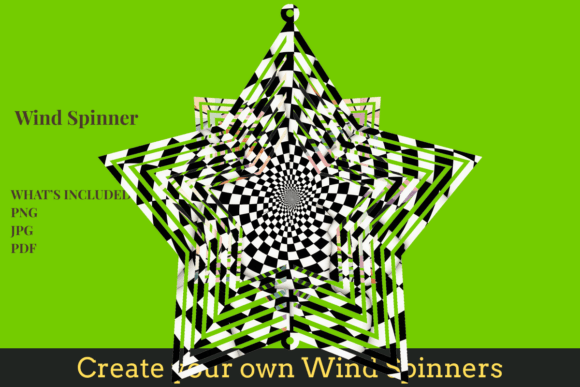
When I first opened the file for the Optical Illusion Star Spinner, my immediate thought was about movement. As a designer who spends hours scrutinizing stitch paths and density maps, static shapes often feel flat to me. This design, however, is built on layered shapes and flowing lines that suggest rotation even when stitched onto a stationary piece of fabric. It is not just a star; it is a representation of motion. For those of us in the Crafts industry dealing with Graphics that need to translate into tangible goods, this distinction matters. The visual personality here is playful yet sophisticated, making it a versatile asset for everything from high-end boutique branding to casual handmade gifts.
First Impressions and Visual Impact
The mood created by this design is one of sparkle and dynamism. Because the files are conceptualized around catching light—originally intended for metal cutouts—the embroidery translation relies heavily on how thread interacts with surface texture. In an embroidery context, this means the design demands attention to thread colors and fabric texture. A matte cotton might dull the "spinner" effect, whereas a satin-finish thread or a slightly lustrous fabric can mimic that metallic catch mentioned in the product description.
Visually, the layout feels balanced but energetic. The flowing lines guide the eye in a circular motion, which is inherently satisfying to look at. This makes it an excellent choice for projects where you want the viewer’s gaze to linger. Whether you are creating a tote bag design for a summer market or a sweatshirt embroidery for a cozy winter collection, the central focal point provided by this spinner adds a layer of professionalism and artistic intent that basic geometric shapes often lack.
Real-World Application: From Screen to Stitch
I recently tested this concept mentally while preparing a custom order for a client who wanted personalized baby items. The Optical Illusion Star Spinner immediately stood out as a candidate for a nursery wall hanging or a soft blanket border. The idea of a "spinner" implies playfulness, which resonates deeply with parents looking for unique personalized gifts for newborns. However, the design also has a modern edge that works surprisingly well for adult-oriented products.
Consider a small business owner selling custom apparel. Placing this design on the back of a hoodie or centered on a denim jacket creates a statement piece. It transforms a standard garment into something that feels curated. Similarly, for an Etsy seller focusing on home decor, this design could be adapted for pillow covers or kitchen towels. The "sparkle" factor translates well to holiday themes, making it a strong contender for holiday embroidery collections during Q4. It bridges the gap between whimsical and contemporary, expanding your potential customer base.
In terms of commercial embroidery, the versatility is key. If you are producing small shop products like embroidered patches, this design offers enough detail to look intricate up close but remains legible from a distance. For digital product sellers, mockups featuring this design can showcase its dynamic nature effectively, helping buyers visualize the final result before purchasing.
Where Caution Is Required
No design is without its challenges, and understanding the limitations of the Optical Illusion Star Spinner is crucial for maintaining quality control. While the flowing lines are beautiful, they require careful execution on certain substrates.
- Small Hoop Sizes: If you attempt to digitize or stitch this on a very small hoop, the fine details of the layers may merge together, losing the optical illusion effect. Ensure your hoop size allows for adequate separation of the elements.
- Textured and Stretchy Fabrics: Knits and heavy textures can distort the precise alignment needed for the spinning effect. On stretchy fabrics, the design may pucker if the underlay stitches are not robust enough. Always use a proper stabilizer to counteract tension.
- Dark Fabrics: While dark backgrounds can make bright threads pop, they can also hide subtle shading variations. If the design relies on tonal shifts to create depth, test it on black or navy to ensure the contrast holds up.
- Dense Stitch Areas: If the design includes heavy fill stitch regions, be mindful of fabric weight. Too much density on lightweight material can make the finished product stiff and uncomfortable, especially for apparel.
Additionally, avoid placing this design on curved surfaces like caps unless you have advanced stabilization techniques. The complex geometry of a cap crown can warp the circular flow of the spinner, disrupting the intended visual impact.
Designer’s Notes for Execution
To get the most out of this machine embroidery design, I recommend approaching the technical setup with a critical eye. Here are practical steps to ensure your finished product meets professional standards:
- Test on Scrap Fabric: Never go straight to the final item. Stitch the design on a scrap of the exact fabric you plan to use. This reveals how the thread colors interact with the material grain and how the stabilizer affects drape.
- Check Stitch Density: Review the density map within your embroidery software. Look for areas where satin stitch edges might become jagged or where running stitch details might break. Adjustments to pull compensation may be necessary.
- Black and White Mockups: Convert your digital preview to grayscale. This helps identify if the design has sufficient value contrast. If the layers blend into a muddy gray, you may need to adjust thread choices to enhance definition.
- Inspect Small Details: Zoom in on the innermost layers of the star. Are there tiny gaps that might fill in with thread? Ensure these details remain distinct after stitching.
- Licensing Verification: Before listing any handmade product or digital embroidery file for sale, confirm the licensing terms. Some designs allow commercial use, while others are restricted to personal gifts only. Protect your business by verifying these rights upfront.
Final Verdict on Value and Appeal
The Optical Illusion Star Spinner is more than just a decorative element; it is a tool for enhancing brand consistency and buyer engagement. When executed correctly, it signals to the customer that care and precision went into the creation of the item. This boosts customer trust and perceived value, allowing you to price your craft business offerings with confidence.
For creative entrepreneurs and makers, this design offers a unique selling proposition. It stands out in a sea of generic stars and simple motifs. Its ability to evoke movement and light makes it memorable. Whether used on a baby embroidery project to delight new parents or on a tea towel to add charm to a kitchen, the design adapts gracefully to different contexts.
Ultimately, success with this design hinges on your preparation. By respecting the technical requirements—such as using the right stabilizer, testing thread colors, and validating the hoop size—you can transform this digital graphic into a stunning physical reality. It is a robust addition to any design assets library, offering both aesthetic appeal and commercial viability for savvy embroiderers.