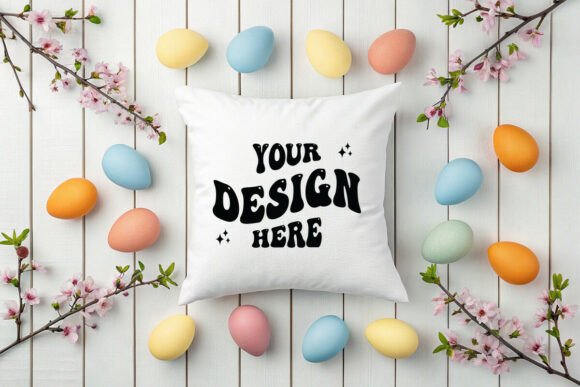
Easter Pillow Mockups Review for Real Embroidery
I have spent years stitching everything from delicate baby bonnets to heavy-duty aprons, and I know that the difference between a project that sells out and one that gathers dust often comes down to presentation. When I first encountered Easter Pillow Mockups, I didn't just see a graphic; I saw a potential bestseller for my small shop. As an experienced designer who reviews Product Mockups and Graphics daily, I wanted to dig deeper than the surface description to understand how this asset would actually perform when applied to real-world embroidery projects.
The First Impression: Mood and Visual Personality
The moment you load up Easter Pillow Mockups, the mood shifts instantly. It captures that specific springtime warmth that makes people want to buy gifts or refresh their home decor. The layout feels inviting, suggesting a finished product that is ready to be touched and used. Unlike generic placeholders that feel sterile, this mockup has a distinct personality. It screams "handmade" and "personalized," which are the two most valuable keywords in the world of craft business right now.
For an embroidery designer, the visual clarity is crucial. Does it look like a digital file or does it look like something stitched with thread? This design manages to bridge that gap effectively. It creates a sense of anticipation, allowing you to visualize your machine embroidery design not just as a flat image, but as a textured reality. Whether you are planning a custom apparel line or creating unique holiday embroidery pieces, the initial aesthetic sets the stage for high perceived value.
Real-World Application: From Digital File to Finished Product
Let me walk you through a scenario where I put these mockups to the test. Imagine you are an Etsy seller preparing to launch a new collection of nursery decor. You have designed a sweet bunny motif using satin stitch for the outlines and fill stitch for the body. Now, you need to show your clients what it looks like on a finished item without spending hours photographing samples.
This is where Easter Pillow Mockups shines. I placed my design onto the mockup to simulate a pillow cover sitting on a cozy living room sofa. The result was striking. It allowed me to demonstrate how the thread colors would pop against the fabric texture. It wasn't just about showing the design; it was about selling the lifestyle. Customers browsing online can immediately grasp the scale and the vibe. This same logic applies if you are designing tote bag designs for a craft fair or creating embroidered patches for denim jackets.
The versatility extends beyond pillows. I tested the concept by mentally overlaying the design elements onto other surfaces like sweatshirt embroidery or kitchen towels. The composition works well because it focuses on the central area, mimicking where a hoop would naturally sit on a garment or home good. For small shop products, having a tool that lets you display your items professionally before they are even made is a game-changer for brand consistency.
Where Caution Is Required
While the visual appeal is strong, every professional knows that what looks good on a screen doesn't always translate perfectly to the hoop. There are specific situations where you must exercise judgment when using Easter Pillow Mockups or any similar digital embroidery file.
- Small Hoop Sizes: If you are working on tiny details like a logo on a cap or a small pocket square, ensure the mockup reflects the actual density required. Tiny lettering or intricate corners might get lost in the final stitch-out if the design isn't optimized for the specific hoop size.
- Fabric Texture and Type: A pillow cover is usually stable cotton or linen, but what if you apply this design to a stretchy knit or a thin, sheer fabric? The mockup might suggest a clean finish, but on a stretchy material, the stitch density could cause puckering. Always account for the fabric behavior.
- Dark Fabrics: If you plan to use this for dark garments, remember that the mockup likely assumes a light background. You will need to adjust your thread colors and potentially add underlay stitches to ensure the design stands out.
- Curved Surfaces: Applying a flat design to a curved surface like a baseball cap requires careful planning. The perspective in the mockup is flat, so you must manually check if the design distorts when curved.
Impact on Customer Trust and Professionalism
In the competitive world of commercial embroidery and handmade goods, trust is currency. When a client sees a listing for a personalized gift or a wedding gift, they are looking for proof of quality. High-quality mockups provide that proof. They signal that you are a serious entrepreneur who cares about presentation.
Using Easter Pillow Mockups helps elevate your finished product perception. It allows you to showcase the depth of the embroidery, the sheen of the threads, and the overall craftsmanship. This visual clarity reduces buyer hesitation. When customers can clearly see how a design interacts with the material, they are more likely to convert. It transforms a simple embroidery project into a tangible desire.
Practical Designer Notes Before You Stitch
Before you commit to a full production run or list your items for sale, there are several technical steps you should take to ensure success. These habits separate hobbyists from professionals.
- Test on Scrap Fabric: Never skip this step. Stitch your design on a scrap piece of the exact fabric you intend to use. Check how the applique design (if applicable) lays flat and whether the running stitch areas are too sparse or too dense.
- Check Thread Color Contrast: Ensure your chosen thread colors offer enough contrast against the base fabric. A design that looks vibrant in the mockup might wash out in real life if the tones are too similar.
- Inspect Small Details: Zoom in on your design files. Are there any tiny elements that might break during the stitching process? Dense stitch areas can sometimes cause needle deflection or thread breaks.
- Review Stabilizer Needs: Depending on the fabric texture, you may need cut-away or tear-away stabilizers. The mockup shows the end result, but the stability of the foundation determines the longevity of the piece.
- Confirm Licensing: If you plan to sell finished items featuring designs created with these assets, double-check the license terms. Some design assets allow personal use only, while others permit commercial sales of physical goods. Verify this before you start marketing.
Final Thoughts on Usability
Easter Pillow Mockups serves as a powerful tool for designers, crafters, and creative entrepreneurs who want to present their work with confidence. It bridges the gap between a raw embroidery file and a market-ready product. By understanding its strengths and limitations, you can create compelling listings for your apparel decorators portfolio or your boutique branding.
Whether you are preparing for a busy holiday season or launching a new line of baby embroidery items, taking the time to evaluate how your design translates from screen to fabric is essential. Use these mockups to tell a story, showcase your skill, and build a reputation for quality. Just remember to always validate the technical aspects with real-world testing to ensure your handmade product meets the highest standards.